

Hot Work Safety: From
Permit to Prevention
- A Complete Guide to Safe Practices
Any task
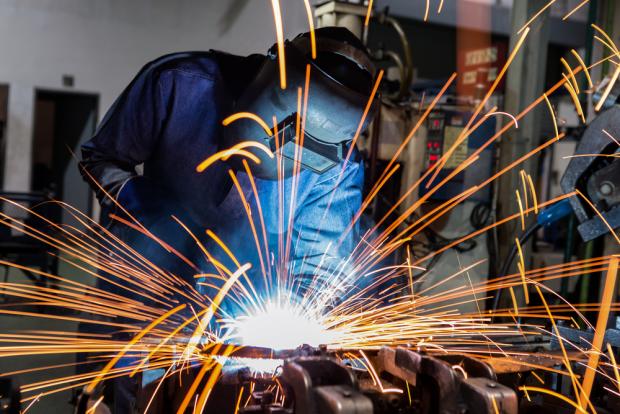
involving fire or heat-generating machinery, such as welding, soldering,
cutting, and grinding, is referred to as hot work. If proper safety measures
are not taken, these activities can significantly increase the risk of fire and
injury. In order to reduce the risk of accidents and injuries, some of the most
important hot work safety guidelines will be covered in this article.
First and
foremost, a designated hot work permit system must be in place. Before hot work
can start, this system should be set up to make sure that all necessary safety
precautions have been taken. This may entail doing things like making sure that
there are no flammable materials present in the area where the hot work will be
done, that fire extinguishers are
readily available, and that proper ventilation is in place.
The use of personal
protective equipment is a crucial component of hot work safety. (PPE). This may
include items like gloves, helmets, and clothing that is fire resistant. All
employees who will perform hot work must receive proper training on how to use
PPE and understand the significance of always donning it.
In addition to PPE, it's
critical to have quick access to fire extinguishers and other fire suppression
tools in case of an emergency. Items like fire blankets and flame-retardant
curtains may fall under this category. A fire watch, who is in charge of
keeping an eye on the hot work area and making sure that no fires start, is
another smart move.
Safety in hot work
environments also depends on proper ventilation. This may entail taking steps
to ensure that fumes and smoke are properly ventilated away from the work area,
such as using exhaust fans and opening windows. Additionally, it is crucial to
guarantee that the air in the workplace is safe to breathe and that all
employees have received the appropriate training on how to use any ventilation
equipment that may be present.
Emergency planning is a
crucial component of hot work safety. This might entail things like having an
emergency evacuation plan in place and making sure that every employee is aware
of what to do in an emergency. A first aid kit must be accessible at all times
in case of injury.
Hot work can be extremely
dangerous if proper safety precautions are not taken.
The risk of accidents and
injuries can be reduced by using a hot work permit system, wearing personal
protective equipment, having access to fire suppression equipment, ensuring
proper ventilation, and being ready for emergencies. It's crucial to keep in
mind that everyone involved in hot work activities has a duty to make sure that
safety is always put first.
The proper handling and
storage of flammable materials is a crucial component of hot work safety. This
includes making sure that flammable liquids, gases, and other materials are
kept out of hot work areas and stored in authorized containers. To reduce the
risk of fire, it's also crucial to make sure that the right procedures are in
place for the handling and disposal of flammable materials.
In order to make sure that
hot work equipment is in good working order and is being used correctly, it is
also crucial to perform routine inspections of it. This entails inspecting the
area for any potential safety risks, such as frayed wires or gas leaks, and
performing any required maintenance or replacements.
The right training of
employees is a crucial component of hot work safety. This includes instruction
on how to use hot work equipment, handle flammable materials safely, store
them, handle emergencies, and use personal protective equipment. Additionally,
it's critical to make sure that employees are knowledgeable about the potential
risks of hot work and are aware of the best ways to reduce the likelihood of
mishaps and injuries.
The overall safety culture
of an organization is closely related to hot work safety. It is crucial to make
sure that everyone in the company prioritizes safety and is aware of the
significance of adhering to hot work safety regulations. To make sure that
safety is always a priority, regular safety training, safety audits, and safety
committee meetings are included.
In order to ensure that
any incidents or near-misses are reported, investigated, and the lessons
learned are put into practice to prevent recurrence, it is crucial to have an
incident reporting system in place. This enables businesses to keep tabs on hot
work incidents, spot trends and patterns, and take preventative action to stop
them from happening again.
Any organization that uses
fire or heat-generating equipment must prioritize hot work safety. The risk of
accidents and injuries can be reduced by using a hot work permit system,
wearing personal protective equipment, having access to fire suppression equipment,
ensuring proper ventilation, and being ready for emergencies. To guarantee that
the hot work is carried out in a safe and secure manner, proper storage and
handling of flammable materials, routine equipment inspections, adequate
training of workers, a strong safety culture, and an incident reporting system
should be in place.
Identification and
management of potential ignition sources are crucial components of hot work
safety. To prevent electrical sparks, all hot work equipment must be properly
grounded and bonded. All equipment must also be kept in good working order and
be properly maintained. All hot work equipment must be used in accordance with
the manufacturer's instructions, and any modifications must not compromise the
equipment's ability to function safely.
In order to stop the
spread of fire, it's crucial to maintain the proper clearances around hot work
areas. Creating fire lanes and keeping a safe distance between hot work areas
and flammable materials are two examples of what this might entail.
Using fire-retardant
materials, such as welding blankets, curtains, and tarps, to protect flammable
materials and stop the spread of fire is another crucial aspect of hot work
safety. Making sure that these materials are properly maintained and replaced
as needed is also crucial.
In order to ensure that
all workers are aware of the hot work activities taking place and are aware of
the potential risks involved, it is also crucial to have a communication plan
in place for them. This could entail doing things like putting up hot work
safety signs and giving all employees regular safety training and reminders.
Finally, keep in mind that
hot work safety is a continuous process. To make sure that all hot work safety
regulations are being followed and that any areas of concern are found and
addressed, routine safety audits, safety meetings, and incident investigations
should be held. To make sure that the company is always compliant, it's also
critical to keep up with any modifications to laws and industry standards
pertaining to hot work safety.
In order to ensure the safety of both employees and
the general public, hot work safety is a complicated and multifaceted issue
that needs a comprehensive approach. The risk of accidents and injuries can be
reduced by using a hot work permit system, wearing personal protective
equipment, having access to fire suppression equipment, ensuring proper
ventilation, and being ready for emergencies. Additionally, to ensure that the
hot work is carried out in a secure and safe manner, appropriate storage and
handling of flammable materials, routine equipment inspections, proper training
of workers, a strong safety culture, an incident reporting system, the
identification and control of potential sources of ignition, maintaining proper
clearances, the use of fire-retardant materials, a communication plan, and
staying up to date with regulations should all be in place.